NBA Back-to-Back Games: Schedule Spots That Move the Odds
 Available in US
Last season I kept a separate column in my betting tracker labelled “B2B.” Every time I bet on or against a team playing the second game of a back-to-back, I flagged it. By the end of the regular season, my return on those flagged bets was 7.2% higher than my overall ROI. Not because back-to-backs are a guaranteed edge — they are not — but because the schedule creates a measurable fatigue effect that the market does not always price correctly. NBA fans bet at 3.7 times the rate of the average American sports bettor, and a meaningful portion of that action ignores one of the most predictable performance variables in the league.
Exploit fatigue spots with NBA live betting as tired teams fade late.
How Back-to-Backs Affect Team Performance
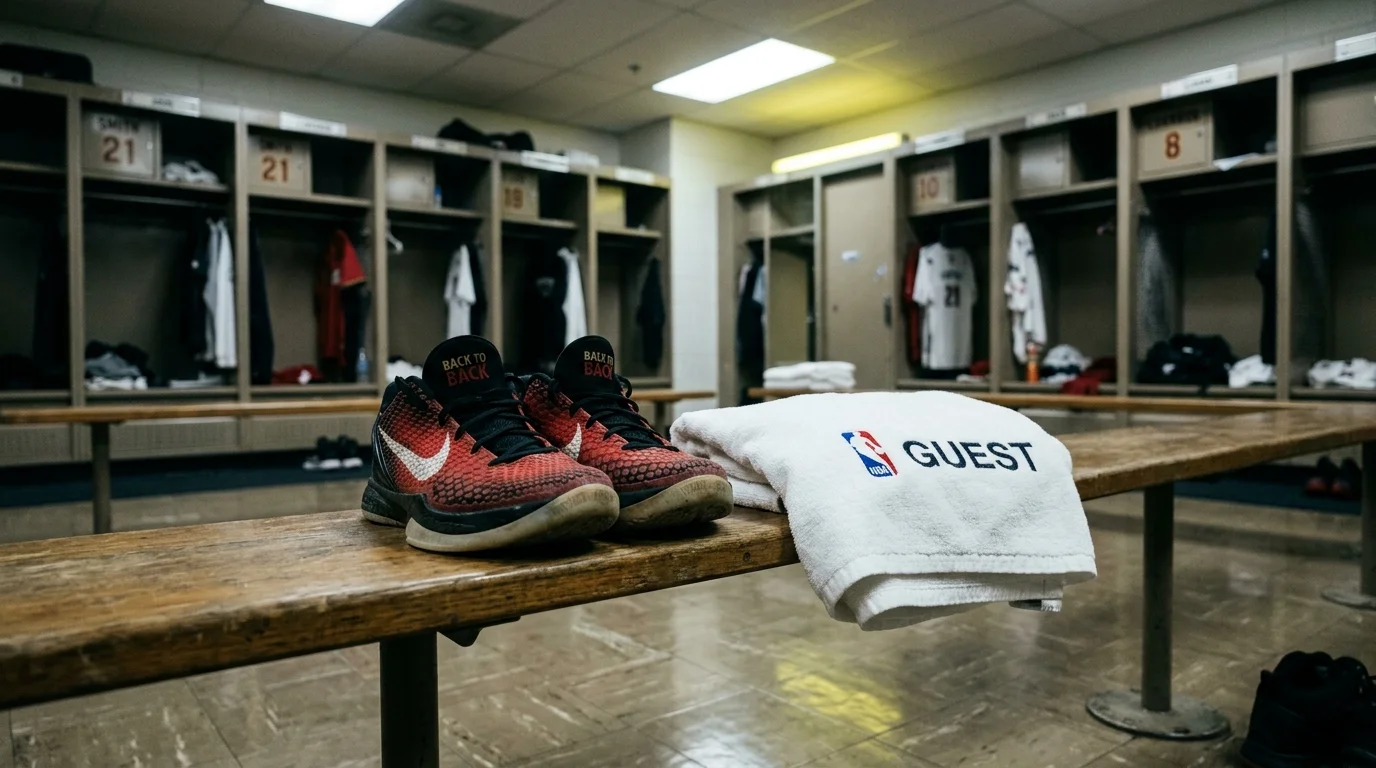
An NBA back-to-back means a team plays two games on consecutive nights. During the regular season, each team faces roughly 12 to 14 of these compressed scheduling spots. The NBA market is projected to reach 13.92 billion dollars in 2026 with growth to over 20 billion by 2031, and the sheer volume of available bets on back-to-back nights makes this one of the most frequently wagered scheduling scenarios.
The performance drop is measurable and consistent. Teams playing the second night of a back-to-back historically score 2 to 4 fewer points than their season average, shoot a lower effective field goal percentage, and allow more points defensively. The effect is more pronounced on the defensive end, which makes sense: defensive effort requires sustained energy that fatigued legs struggle to produce across 48 minutes.
What surprised me when I first dug into the data was how consistent the pattern is across team quality. Elite teams suffer on back-to-backs just as mid-table teams do. The Celtics or the Nuggets do not magically transcend human physiology because they have better players. Their absolute scoring might be higher, but the relative drop from their baseline is comparable. This consistency is what makes back-to-backs valuable for bettors: you are not guessing whether fatigue will show up. You are estimating how much the bookmaker has already accounted for it.
Long Road Trips and West Coast Swings
A back-to-back at home is tiring. A back-to-back on the road is brutal. A back-to-back in the middle of a five-game road trip is where the wheels start to come off.
Eastern Conference teams travelling to the West Coast for a multi-game swing face a triple challenge: time zone adjustment (games starting three hours later than their body clocks expect), travel distance (cross-country flights between venues), and disrupted routines (different hotels every night, unfamiliar practice facilities, meals on the move). The statistical impact is clearest in the third and fourth games of West Coast road trips, where teams’ defensive efficiency tends to drop by 2 to 3 points per 100 possessions compared to their home baseline.
The reverse applies too: West Coast teams heading east for early tip-offs (7:00pm Eastern, which feels like 4:00pm to their bodies) show measurable sluggishness in the first half. I have found first-half unders on West Coast teams playing early Eastern games to be one of the more reliable situational patterns in NBA betting, though the sample sizes in any single season are small enough that you should not overweight any single month’s results.
Rest Advantage: Rested vs Fatigued Teams
The most exploitable back-to-back spot is not just a team on a back-to-back — it is the combination of a fatigued team facing a rested opponent. When one team is on the second night of a back-to-back and the other has had two or more days off, the rest differential amplifies the fatigue effect beyond what a back-to-back alone produces.
I track rest differential as a simple number: the difference in days since each team’s last game. A rest differential of +2 (your team has two more days of rest than the opponent) is meaningful. A rest differential of +3 or more is significant. On the other side, a rest differential of -1 (your team is on a back-to-back while the opponent had yesterday off) is the minimum threshold I use to flag a bet for schedule-adjusted analysis.
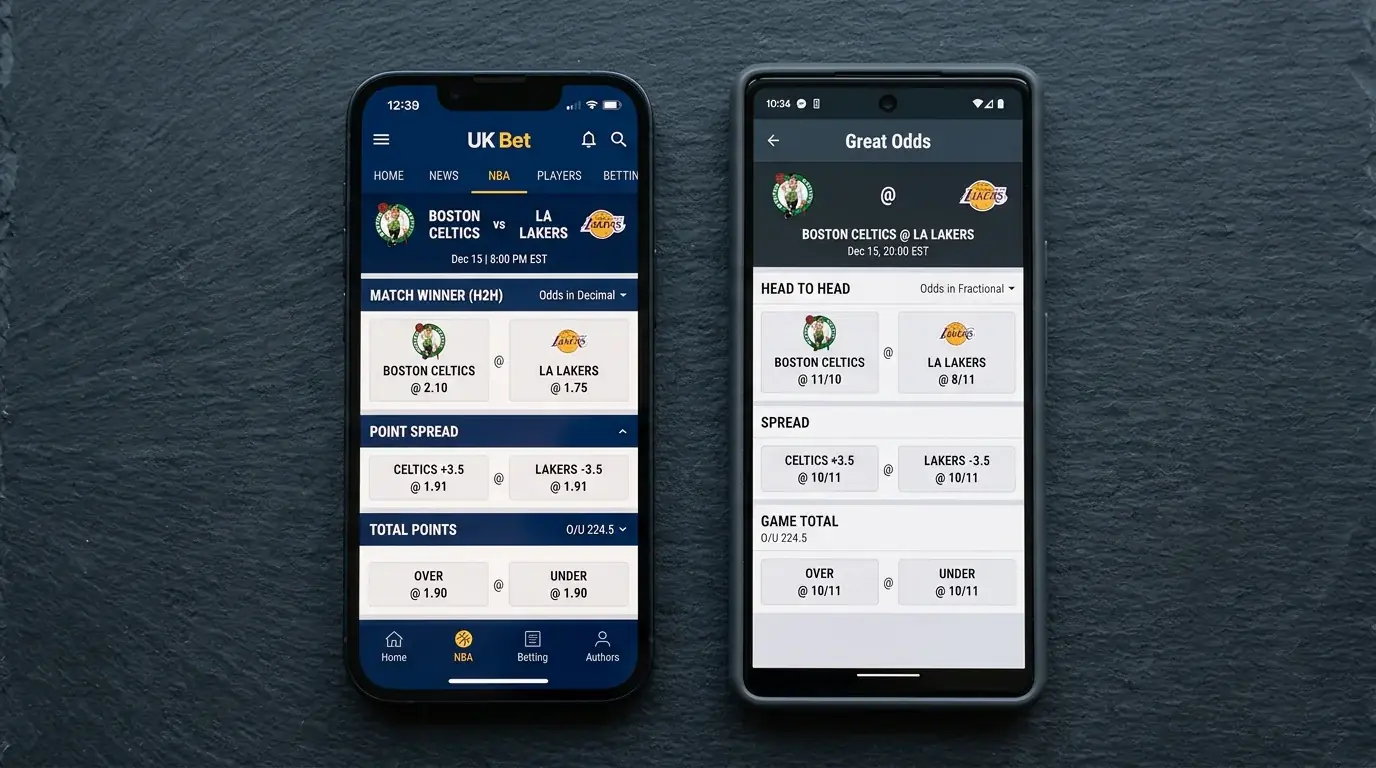
The practical application is in spread betting. When a team is on a back-to-back facing a rested opponent, I subtract 1.5 to 2 points from that team’s expected performance relative to the bookmaker’s line. If the bookmaker has already adjusted by a similar amount (visible when the line is noticeably shorter than the power ratings would suggest), there is no edge. If the adjustment seems incomplete — which happens most often on mid-profile games that attract less market attention — the rested side offers value.
For a related angle on how venue factors interact with fatigue, my analysis of home court advantage explores the data on travel and altitude effects.
See also: nba betting ods for schedule-based NBA analysis.
Load Management and Late Scratches
The wildcard in any back-to-back analysis is load management. NBA teams increasingly rest star players on the second night of back-to-backs, particularly in the middle third of the season when the games matter less for seeding and the priority is keeping key players healthy for the playoffs.
This creates a secondary betting consideration: will the team’s best player sit out? The answer is often not confirmed until the afternoon of the game — well after the opening line has been posted. If the bookmaker opens a line assuming the star plays and the player is then ruled out, the line moves sharply. If you can anticipate the rest decision before the market adjusts, you are in a strong position.
Patterns help. Coaches tend to rest players on the same types of back-to-backs: road games against weaker opponents, the second of two road games, or the fourth game in five nights. After tracking a team for a month, you can predict with reasonable accuracy which back-to-backs will trigger rest decisions and which will not. That predictive ability is not guaranteed profit, but it lets you bet earlier in the day at a line that does not yet reflect the rest decision, or avoid a bet entirely if you expect a key scratch that the market has not priced in.
The Schedule Edge That Demands Patience
Back-to-back games produce one of the cleanest situational edges in NBA betting, but it requires patience and selectivity. Not every back-to-back is worth betting. The edge lives in the subset of games where fatigue compounds with travel, rest differential and potential load management to create a performance gap that the bookmaker’s line does not fully capture. Finding those spots consistently across an 82-game season is more work than most punters are willing to do. That is exactly why the edge persists.
How do back-to-back games affect NBA odds?
Bookmakers typically adjust spreads by 1 to 2 points for teams on the second night of a back-to-back, shortening the line to reflect expected fatigue. The actual performance drop — particularly on the defensive end — is often slightly larger than this adjustment, especially when the back-to-back involves travel. The gap between adjustment and reality is where value can appear.
Do NBA teams rest star players on back-to-backs?
Increasingly, yes. Load management has become standard practice, with teams resting key players on selected back-to-back dates, particularly during the middle months of the regular season. The decision is often announced only a few hours before tip-off, which can cause significant line movement once confirmed. Tracking a team’s historical rest patterns helps anticipate these decisions before the market adjusts.
Prepared by the nba Betting ods editorial staff.