NBA Quarter and Half Betting: Period-Specific Markets
 Available in US
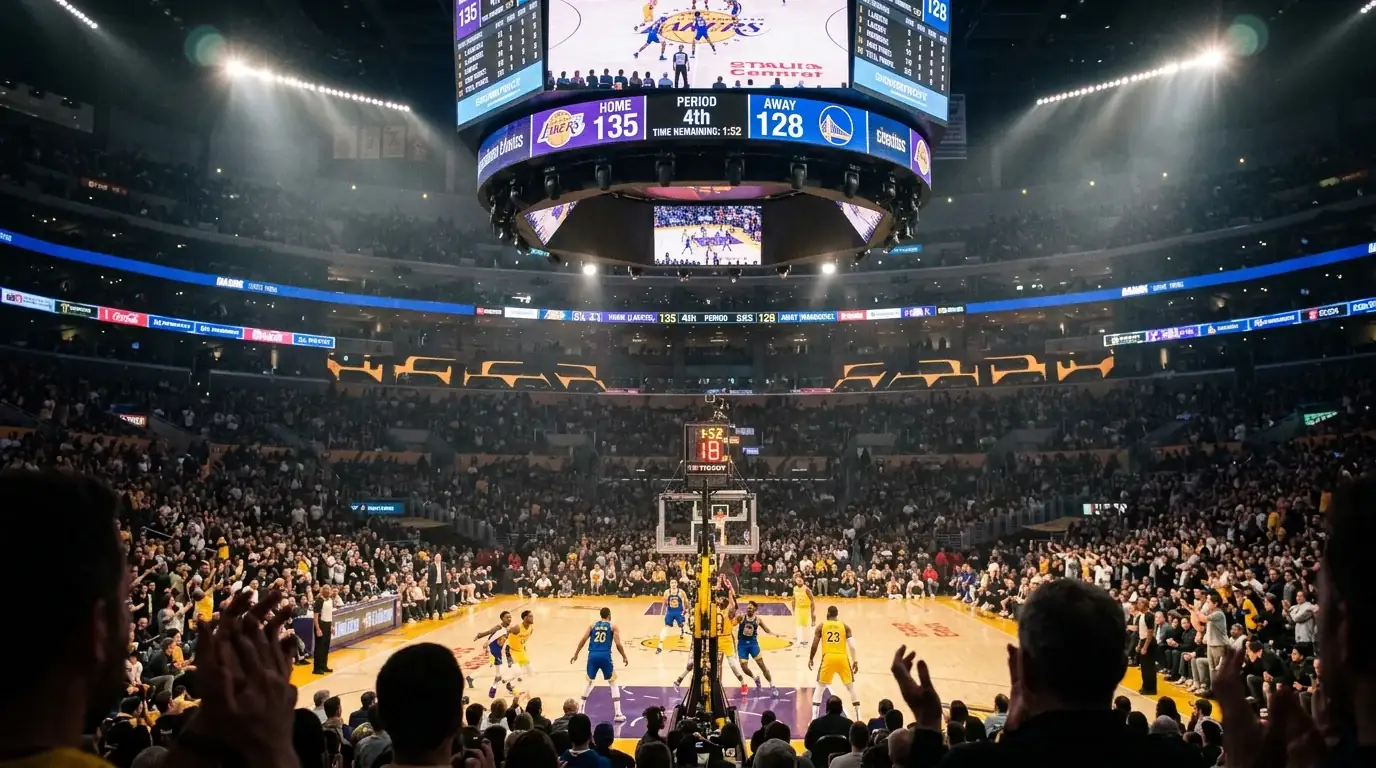
Full-game bets are the default for most NBA punters, and for good reason — they are the simplest, most liquid and most familiar markets available. But limiting yourself to full-game lines is like watching a film and only judging the ending. NBA games have distinct acts, and the betting markets that cover each act — quarter bets and half bets — offer angles that full-game markets cannot. Mobile platforms now handle more than 70% of all basketball betting volume, and the accessibility of period-specific markets on those platforms has turned what was once a niche into a mainstream offering at UK bookmakers.
Combine quarter bets with NBA over/under betting for flexible game totals.
How NBA Quarter Betting Markets Work
A quarter bet isolates a single 12-minute period. You can bet on the moneyline (which team wins that quarter), the spread (the margin within the quarter), or the total (combined points scored in that quarter). The markets exist for all four quarters, though first-quarter markets are the most popular and typically carry the tightest margins.
First-quarter betting has a specific analytical advantage: it is the period least affected by coaching adjustments, fatigue and in-game momentum. Both teams start fresh, play their planned opening rotation, and execute the game plan they prepared. That predictability makes first-quarter analysis more reliable than fourth-quarter analysis, where lineups are fluid, foul trouble reshuffles rotations, and strategic fouling distorts scoring patterns.
The quarter spread is typically one-quarter of the full-game spread, rounded to the nearest half-point. If the full-game spread is -8, the first-quarter spread will be approximately -2 or -2.5. The relationship is not exact, because some teams are historically stronger or weaker in specific quarters — slow starters versus fast starters — and the bookmaker adjusts for this. Tracking a team’s quarter-by-quarter scoring splits over 20 or more games reveals these patterns clearly.
Quarter totals are set much lower than full-game totals, typically in the 53 to 58 range for a standard NBA game. The variance per quarter is higher relative to the line than full-game variance, which means quarter totals are harder to predict with precision. I use them selectively — primarily when I have a strong view on pace for a specific matchup but do not want to take on the overtime risk that comes with a full-game total.
First Half and Second Half Betting
Half bets combine two quarters into a single market. First-half moneyline, spread and total markets are the most commonly traded, and live in-play betting — which is growing at roughly 12% annual adoption — includes second-half markets that become available at the interval.
First-half betting carries an important structural feature: overtime does not affect first-half results. If you bet the first-half under and the game goes to overtime, your bet is already settled based on the half-time score. For punters who find the overtime variable frustrating in full-game totals, first-half markets provide a clean alternative. I use first-half totals more frequently than full-game totals for exactly this reason, particularly in games with tight closing spreads where overtime risk is elevated.
Second-half markets, available in-play at half-time, require a different analytical lens. You are not projecting from zero — you are projecting from an observed first half. If the first half was unusually high-scoring due to poor defence from both sides, the question is whether that pace will continue or regress. Coaches typically make their most impactful adjustments at half-time, which means the second half often looks different from the first. I find second-half unders profitable after abnormally high-scoring first halves, because the half-time adjustment tends to slow the game. For more on how totals work across the full game, see my guide to NBA over/under betting.
NBA Scoring Patterns by Quarter
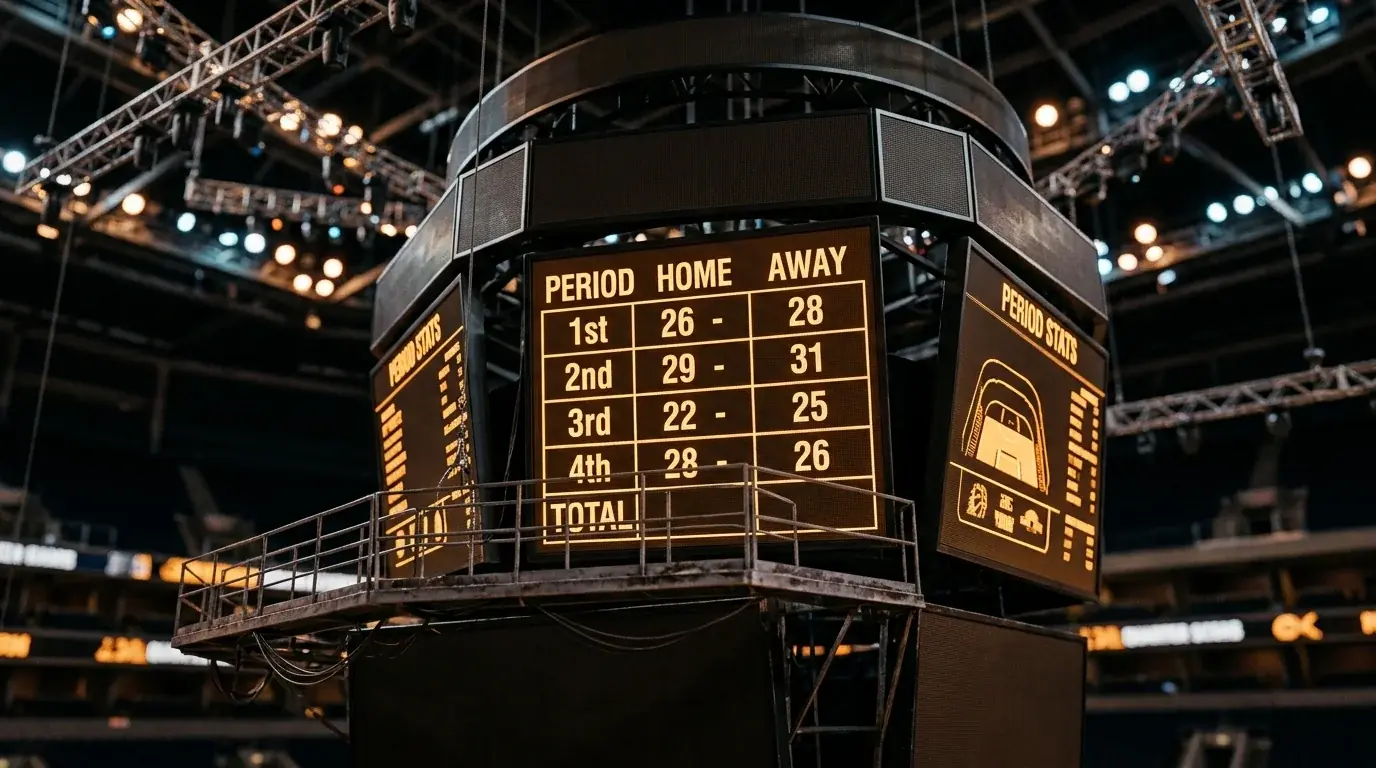
Not all quarters score equally, and understanding the typical distribution helps set expectations for period-specific bets.
First quarters tend to be the lowest-scoring period. Teams are settling into the game, working through their initial sets, and playing their tightest defensive rotations. Third quarters are often the second-lowest, as coaches make adjustments at half-time that tighten the game’s structure before the fourth quarter opens up.
Second quarters and fourth quarters are typically the highest-scoring periods. The second quarter features more bench-unit matchups, which tend to play at a faster pace with less disciplined defence. The fourth quarter produces high scoring for a different reason: trailing teams increase their urgency, press the pace, and foul deliberately to stop the clock, generating free throw points that inflate the quarter total.
These patterns are averages across the league, and individual teams deviate from them. A team with a dominant starting lineup but a weak bench might dominate the first quarter and struggle in the second. A team with an elite closer — a player who raises his game in the fourth — might consistently outscore opponents in the final period. Tracking these team-specific tendencies is what turns general knowledge into actionable betting insight.
Strategic Approaches to Period Betting
NBA Commissioner Adam Silver acknowledged that the league has asked some partners to scale back certain prop bets, particularly those on low-profile players. Period betting sits at the opposite end of the integrity spectrum — quarter and half markets are tied to team-level outcomes involving all players on the court, making them virtually impossible to manipulate individually. That structural safety is one of the underappreciated advantages of period markets.
My primary strategy for period betting is mismatch exploitation in the first quarter. When a team’s starting five has a significant talent advantage over the opponent’s starters — visible through net rating data for starting lineups — the first-quarter spread frequently understates the likely margin. The full-game spread accounts for bench rotations and fourth-quarter garbage time; the first-quarter spread reflects only the opening 12 minutes, where the better starting unit can dominate before reserves enter.
A secondary strategy involves first-half totals in games with known pace mismatches. When a fast-paced team faces a slow-paced team, the first half often defaults closer to the slow team’s pace because the slow team controls the tempo through deliberate half-court offence. If the bookmaker’s first-half total is set based on a pace compromise between the two teams, the under can offer value because the slow team’s tempo dominance is strongest before the faster team’s bench units accelerate the pace in the second half.
See also: nba betting ods for the latest NBA wagering guides.
The Period Bettor’s Advantage
Period betting is not easier than full-game betting. The lines are thinner, the variance is higher, and the sample sizes for quarterly analysis are smaller. But for punters willing to do the extra work — tracking team-specific quarter splits, monitoring lineup tendencies, and understanding how coaching adjustments reshape second halves — the period markets offer a dimension of NBA wagering that most bettors never explore. That lower traffic is precisely why value persists in these markets season after season.
Does the fourth quarter include overtime in quarter bets?
No. Fourth-quarter bets settle on the score at the end of the fourth quarter only. Overtime is a separate period and does not affect fourth-quarter bet settlement. This makes fourth-quarter markets a clean bet on 12 minutes of play, regardless of whether the game extends beyond regulation.
Are first quarter spreads smaller than full-game spreads?
Yes. First-quarter spreads are typically about one-quarter of the full-game spread. If the full-game line is -8, the first-quarter spread will be approximately -2 or -2.5. The exact figure varies because some teams are historically stronger or weaker starters, which the bookmaker factors into the quarter line.
Published by the nba Betting ods team.